
How to Choose a Private Event Venue

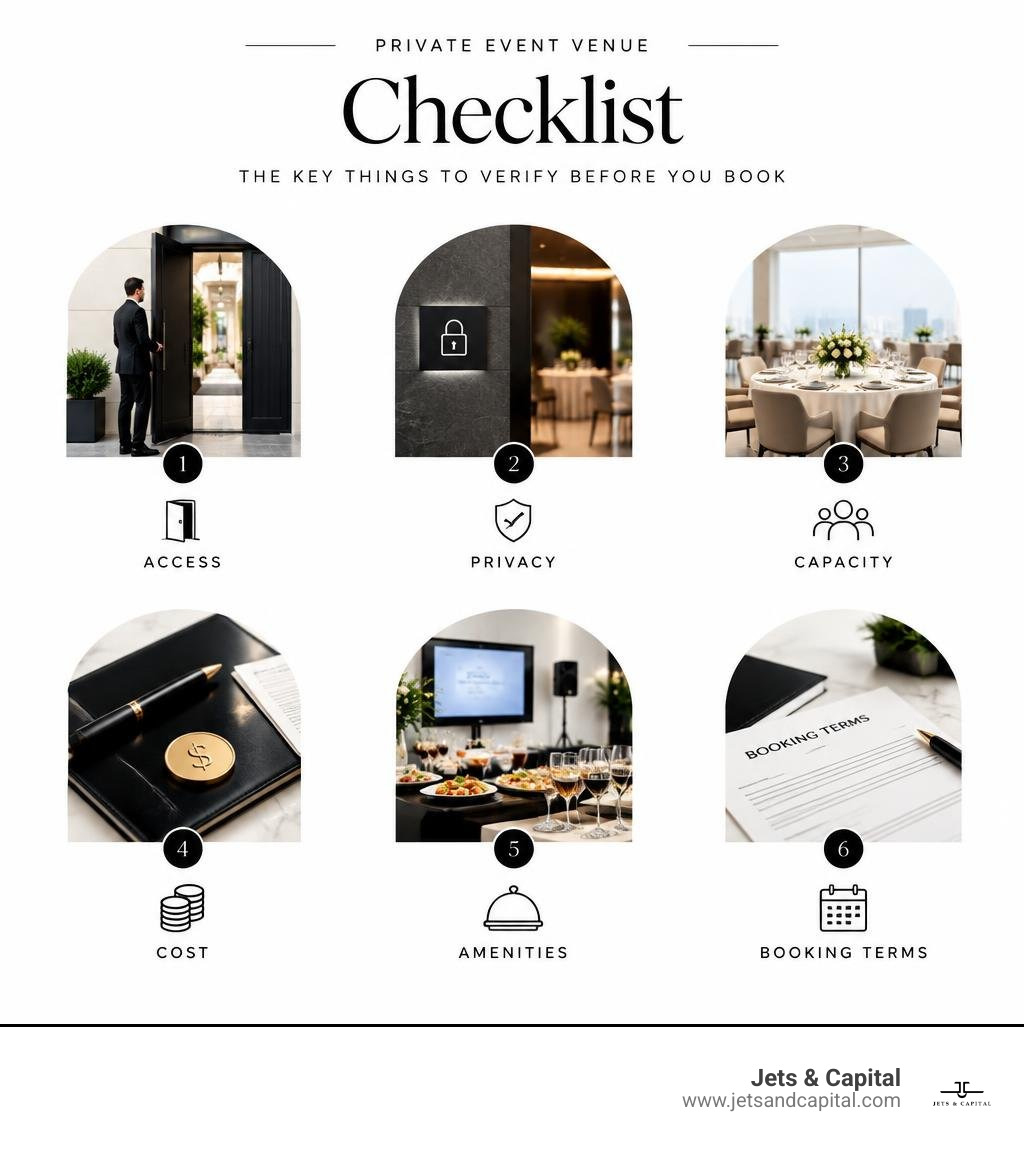
A private event is open only to invited guests, unlike a public gathering that anyone can attend. To find the right venue, check who can enter, whether the space is fully private, how many guests it holds, and what the price includes. Then confirm the food, drinks, AV, deposit, and cancellation terms before you book.
For an investment gathering, the guest list matters as much as the room. Choose a setting where people can talk comfortably and where access matches the level of privacy they expect.
I'm Jordan Hutchinson, founder of Jets & Capital, where I organize invite-only networking events for family offices and investors in private jet hangars. That experience has shown me how much the right venue shapes a private event, from the first arrival to the last conversation.
What Defines a Private Event and How It Differs from Public Gatherings
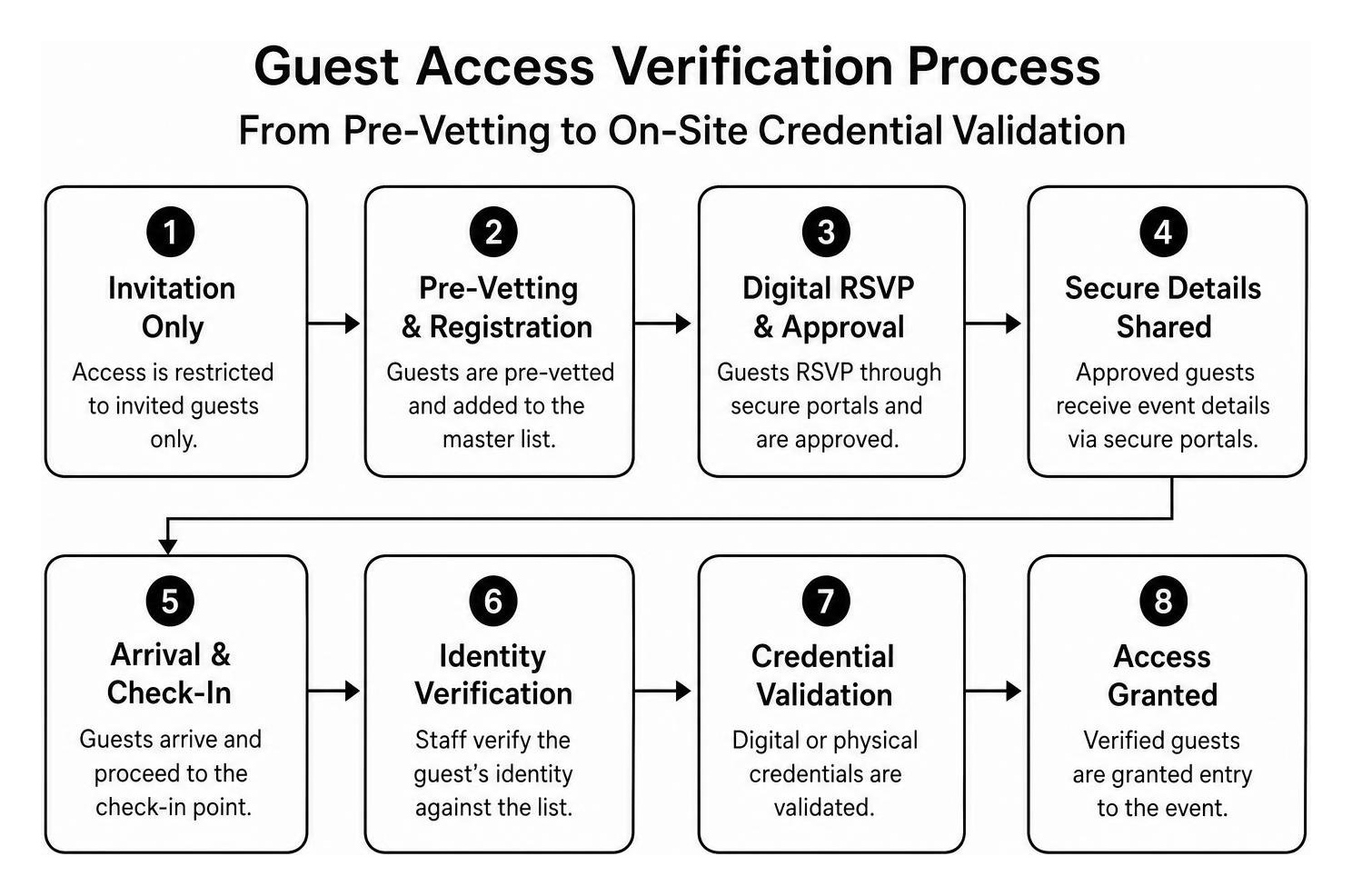
At its core, a private event restricts admission exclusively to invited participants, creating a secure environment where agendas, guest lists, and presentations remain shielded from outside observation. Public gatherings permit walk-ins, ticket sales at the door, or open foot traffic. In contrast, exclusive functions rely on strict access control protocols, pre-vetted guest registries, and defined spatial boundaries.
Controlling access protects proprietary corporate strategies and high-profile attendees. Managing these variables effectively requires an understanding of the frameworks detailed in our private events ultimate guide 2026. When coordinating high-stakes gatherings, entry management begins long before anyone arrives at the door.
Modern hosts rely heavily on digital RSVP systems and secure event portals. On digital platforms, setting an event to private keeps it entirely hidden from public schedule pages. For instance, wedding platforms like The Knot and Zola ensure that only guests flagged on master invitation lists can view itineraries, addresses, and attire guidelines via secure pop-up portals. The schedule remains invisible to uninvited visitors searching the site.
Managing access across exclusive environments requires a clear operational sequence:
Semi-Private vs Fully Private Event Spaces
Choosing between a semi-private nook and a fully private room dictates the level of acoustic and visual isolation for your guests.
- Semi-Private Spaces: These areas are partially partitioned using velvet drapes, half-walls, or architectural screens. While they provide a dedicated footprint, ambient background noise, kitchen clatter, and passing patrons can still filter in.
- Fully Private Spaces: These rooms feature complete physical boundaries with solid walls, closable doors, independent climate zones, and dedicated hospitality personnel.
| Spatial Feature | Semi-Private Space | Fully Private Space |
|---|---|---|
| Acoustic Separation | Partial (ambient venue noise remains audible) | Total (sealed doors and dedicated sound insulation) |
| Sightline Privacy | Minimal to moderate (separated by drapes or half-walls) | Complete (no external foot traffic or outside observation) |
| Staffing Allocation | Shared floor staff | Dedicated servers, bartenders, and room captains |
| AV Integration | Limited (low-volume background sound only) | Full PA systems, microphones, projectors, and staging |
| Cost Profile | Lower minimum spend requirements | Higher spend minimums or dedicated room rental fees |
Corporate and Social Occasions Best Suited for Exclusive Hire
Tailoring an environment to your gathering's purpose ensures that guests engage without external distractions. High-touch formats thrive when hosts book dedicated square footage:
- Executive Retreats and Board Meetings: High-level strategic planning sessions demand complete acoustic discretion and secure Wi-Fi infrastructure.
- Investor Summits and Deal-Making Dinners: Curated groups of capital allocators benefit from isolated dining rooms that foster candid discussions.
- Milestone Receptions and Rehearsal Dinners: Milestone celebrations require private staging, personal audio playback, and tailored culinary courses.
- Gala Receptions and Award Ceremonies: Large assemblies require dedicated stages, professional AV setups, and seamless service flow.
Explore how curated hospitality elevates executive gatherings in our guide to exclusive member events.
Venue Types, Capacity Ranges, and Spatial Layouts
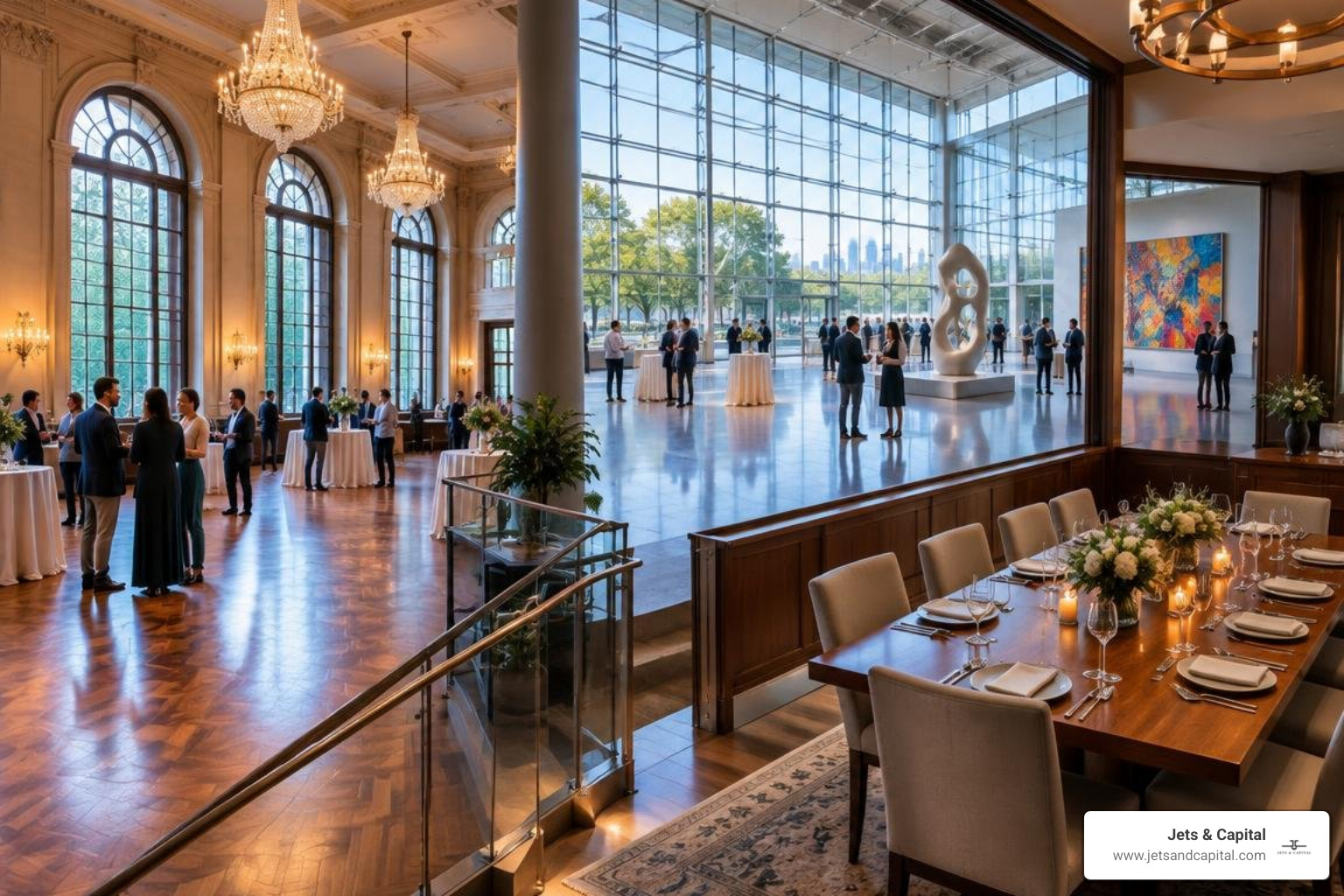
Selecting an architectural environment sets the tone for your entire program. Planners today draw from an array of locations, ranging from historic estates and cultural institutions to high-end dining institutions and unique event venues.
- Private Dining Rooms and Hospitality Lounges: Ideal for curated groups ranging from 10 to 60 seated guests. Venues like The Cavalier in San Francisco provide intimate dining spaces, while vibrant dining establishments such as MILA Miami offer enclosed culinary spaces with dedicated staffing. In Utah, Urban Hill delivers polished private dining configurations tailored for corporate dinners.
- Historic Estates and Mansions: Landmark properties present scenic outdoor backdrops and period dining halls. George Washington's Mount Vernon, for example, utilizes lantern-lit pathways and riverside views for evening tours and corporate galas.
- Museums and Cultural Centers: For assemblies reaching hundreds of attendees, large cultural venues offer expansive architectural volume. Cleveland's Great Lakes Science Center accommodates between 20 and 2,500 guests with soaring ceilings, exhibition hall access, and attached 500-vehicle parking decks.
- Bespoke Entertainment Complexes: Locations such as the House of Blues Las Vegas provide expansive production stages and multi-room layouts designed for dynamic crowd movements.
- Boutique Urban Spaces: Flexible lofts and curated micro-spaces across prime metros like New York, upscale properties in Palm Beach, and premier corporate event venues in California allow planners to tailor custom setups for smaller groups.
- Expansive Hospitality Districts: Multi-venue environments such as Harwood Hospitality in Dallas provide versatile spaces that can scale from intimate cocktail lounges to expansive dining rooms.
Intimate Rooms to Mega-Venues: Matching Guest Count to Square Footage
Selecting the right room size avoids two major pitfalls: an overcrowded room that impedes foot traffic, or an overly cavernous hall that drains energy from the room.
- Standing Cocktail Receptions: Require 8 to 10 square feet per guest to allow effortless mingling and bar access.
- Seated Banquet Dinners: Require 12 to 15 square feet per guest to accommodate rounds of eight or ten, service aisles, and dynamic chair movement.
- Seated Presentation Configurations: Require 18 to 22 square feet per person when factoring in stages, presentation risers, and projector clearance.
Mid-sized restaurant spaces often balance these dynamics with adjustable layouts. For example, private dining at Maple & Ash in Chicago accommodates up to 60 seated guests or 75 for standing receptions in its main atrium, while smaller boardrooms comfortably seat 30 guests or host 45 for standing receptions.
For larger formats, specialized producers like West End Events coordinate full venue buyouts accommodating 200 to 900 guests with structured, all-inclusive seasonal packages.
Incorporating Staging, Speeches, and AV Production
Speeches, presentations, and award ceremonies require dedicated infrastructure:
- Microphones and Amplification: Handheld wireless microphones and balanced PA systems prevent acoustic feedback.
- Sightline Clearance: Elevated staging risers ensure clear visibility for all guests, regardless of where they are seated.
- Projection and Display: High-lumen projectors or LED video walls prevent visual washouts in well-lit architectural spaces.
- Pre-Program Transitions: Schedule key presentations immediately following main culinary courses, just before networking resumes, to maximize guest attention.
Financial Blueprint: Pricing Models, Minimum Spends, and Deposits

Understanding private event pricing structures prevents budget surprises. Hospitality venues generally operate under three financial models:
- Flat Room Rental Fees: A fixed baseline fee covering space access, housekeeping, baseline furniture, and basic utilities.
- Food and Beverage Minimums (No Rental Fee): The client pays no direct room fee, provided their total food and beverage spend meets an agreed financial threshold.
- Hybrid Pricing: A combined approach featuring a reduced baseline room rental fee paired with a standard minimum spend requirement.
To master contract negotiations and avoid hidden facility charges, review our comprehensive exclusive events guide 2026.
How Minimum Spend Requirements Function in Hospitality
A food and beverage minimum represents the baseline revenue commitment required by a venue to secure exclusive space use. If your party's combined food and beverage tab falls short of this agreed threshold, the difference is billed directly as an unmet minimum balance.
Minimum spends fluctuate significantly based on day-part, week-part, and seasonal demand cycles:
- Day-Part Differences: A weekday corporate luncheon typically carries a lower threshold than a peak weekend evening service. At HopCat Grand Rapids, for instance, a mezzanine private loft carries a $500 minimum spend for Monday–Thursday lunch, increasing to $1,250 for Friday and Saturday dinners.
- Smaller Nooks: Smaller private alcoves, such as HopCat's historic taproom space (accommodating 16–20 guests), command $350 on non-event nights and $750 on high-demand weekend evenings.
- Seasonal Peaks: Prime December holiday windows and major sporting weeks often see baseline rates double across premier metropolitan venues.
Payment Schedules and Cancellation Timelines for a Private Event
Securing exclusive venue access requires adherence to structured financial milestones. Standard commercial agreements follow this timeline:
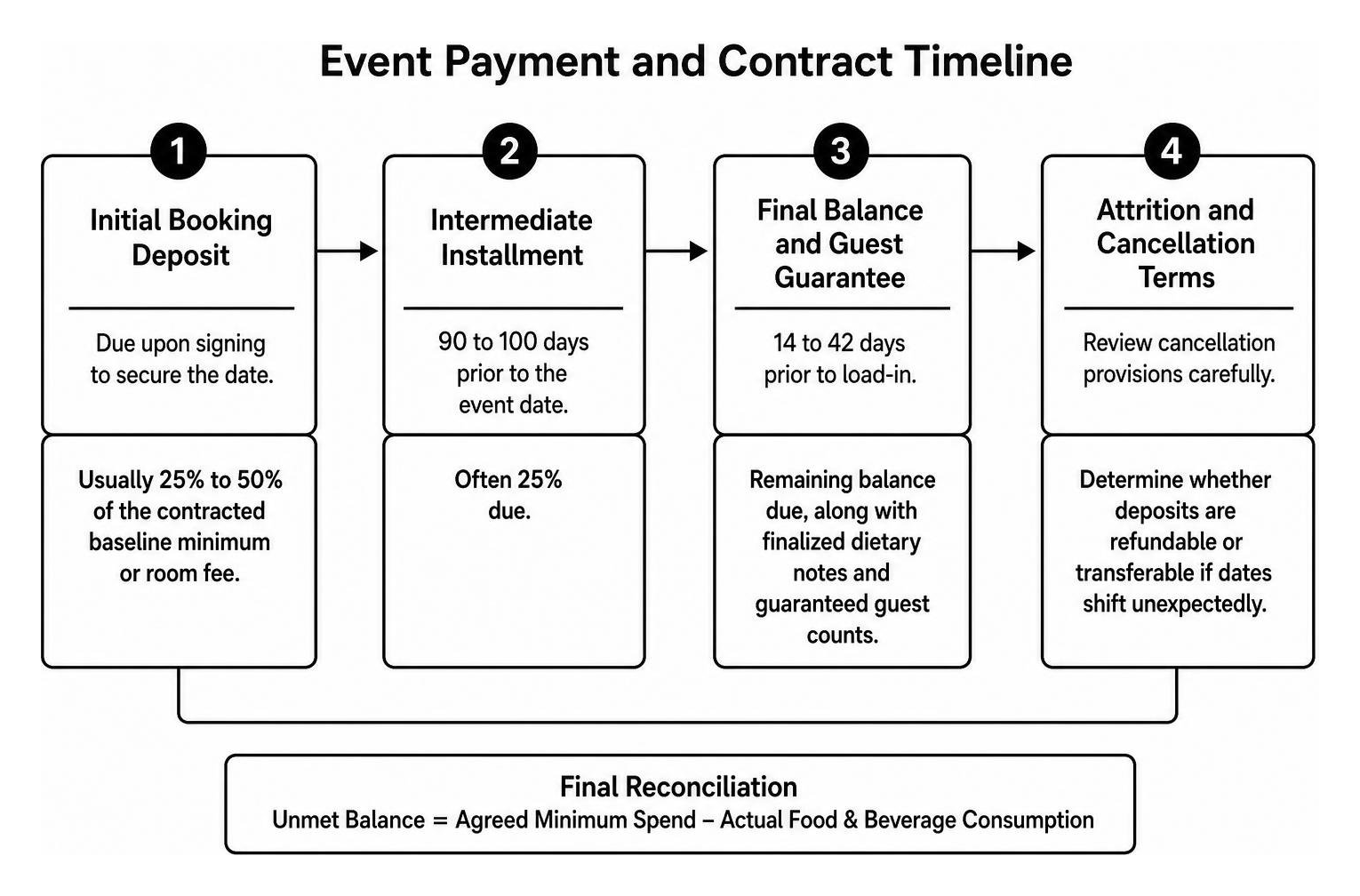
- Initial Booking Deposit: Usually 25% to 50% of the contracted baseline minimum or room fee, due upon signing to secure the date.
- Intermediate Installment: Often 25% due 90 to 100 days prior to the event date.
- Final Balance and Guest Guarantee: The remaining balance, along with finalized dietary notes and guaranteed guest counts, is typically due 14 to 42 days prior to load-in.
- Attrition and Cancellation Terms: Review cancellation provisions carefully to determine whether deposits are refundable or transferable if dates shift unexpectedly.
Catering, Beverage Packages, and Guest Experience Logistics
Culinary service shapes the rhythm and social momentum of your event. Choosing the right format ensures meals complement your agenda rather than interrupting the flow of conversation. Discover how hospitality design influences attendee connection in our feature on luxury lifestyle events.
Curating Food Formats: Plated Dinners vs Standing Receptions
- Multi-Course Plated Dinners: Formal seated services maintain a focused, synchronized schedule. They work well for awards ceremonies, corporate presentations, and keynote addresses.
- Passed Canapés and Culinary Stations: Interactive stations and tray-passed small bites encourage movement, allowing guests to mingle and network freely throughout the room.
- Family-Style and Curated Buffets: Self-service and shared family platters provide varied dining choices while maintaining a relaxed social atmosphere.
Beverage Structuring: Open Bars, Tiered Packages, and Drink Tickets
Beverage programs generally fall into three billing frameworks:
- Tiered All-Inclusive Packages: Fixed per-person hourly rates covering beer, wine, and spirits. Tiered packages (such as Standard, Premium, and Platinum) simplify budgeting for open-bar events.
- Consumption-Based Tabs: Drinks are tracked individually and charged to a master billing tab at the end of the evening.
- Drink Ticket Programs: Guests receive a designated number of vouchers for premium cocktails, after which drinks transition to a cash bar or consumption tab.
Frequently Asked Questions About Private Event Bookings
How far in advance should you reserve a private event venue?
For peak seasons (such as November–December holidays or major metropolitan sporting weeks), secure private venues 6 to 12 months in advance. Standard mid-week corporate dinners or off-peak social gatherings can generally be coordinated within a 60- to 90-day booking window.
What amenities and equipment are typically included in space rentals?
Baseline rentals typically cover tables, dining chairs, house linens, basic service ware, utility hookups, and primary housekeeping. Full-service cultural centers and hotel ballrooms often bundle standard wireless microphones, projection screens, podiums, and dedicated security personnel. Always confirm parking access; venues like the Great Lakes Science Center offer connected 500-vehicle parking garages directly on-site.
How are dietary restrictions handled for large guest counts?
Dietary restrictions should be collected through pre-event RSVP forms. Venues require finalized function sheets detailing vegetarian, vegan, gluten-free, or religious meal counts 10 to 14 days before the event to ensure isolated kitchen prep and dedicated service staging.
Conclusion
Securing the ideal venue for a private event requires balancing guest privacy, square footage, AV setup, and transparent minimum spend agreements. Vetting your spaces systematically ensures that every logistics detail—from early arrivals to final departures—operates smoothly.
At Jets & Capital, we host invite-only networking summits for family offices, investors, and UHNWIs in private jet hangars, including our upcoming Super Bowl Edition in San Francisco, California. Our strict vetting process ensures an audience of 85% verified allocators, fostering an exceptional environment for meaningful relationship building and high-value deal-making.
When you are ready to experience top-tier business networking in world-class private venues, attend premier private gatherings with us.
